
Price: $288
Why Buy?
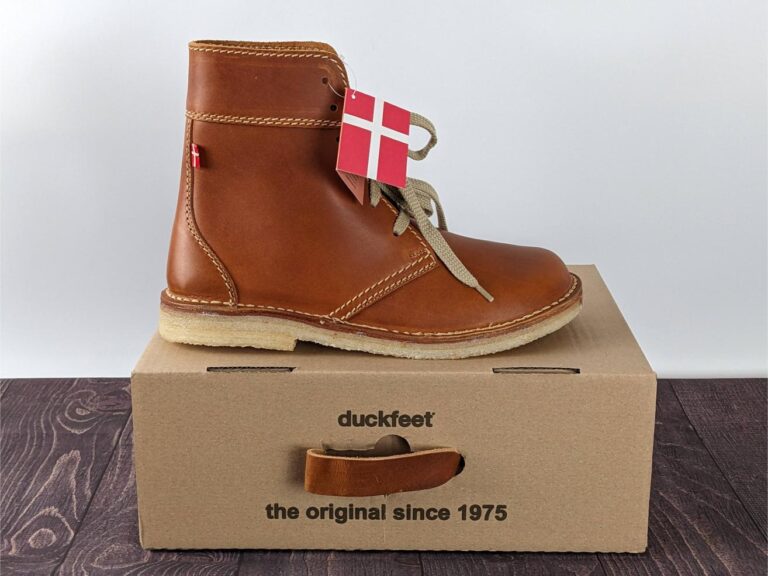
The Duckfeet Faborg is incredibly durable, and offers a great choice for a natural foot shape boot.
Why Avoid?
The Duckfeet Faborg break in is brutal.
Background
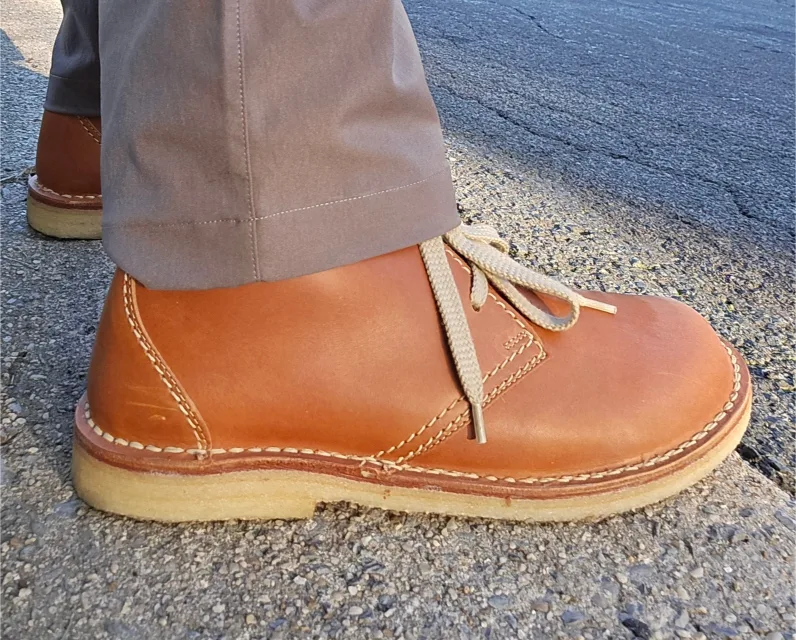
A little over a year ago, I reviewed the Duckfeet Faborg fresh out of the box. Since then, they’ve been in heavy rotation — hitting 100 wears this month. This follow-up covers what’s changed, what hasn’t, and what to expect during your first year.
I wore them mostly for light duty — casual wear, evening strolls — the kind of conditions they were built for.
Disclaimer: Duckfeet sent me this pair for review, but they didn’t pay for or edit this post.
Also, yes — the correct Danish spelling is “Fåborg,” but I’m using “Faborg” here so people can actually find this review on Google.
Looks
Upper
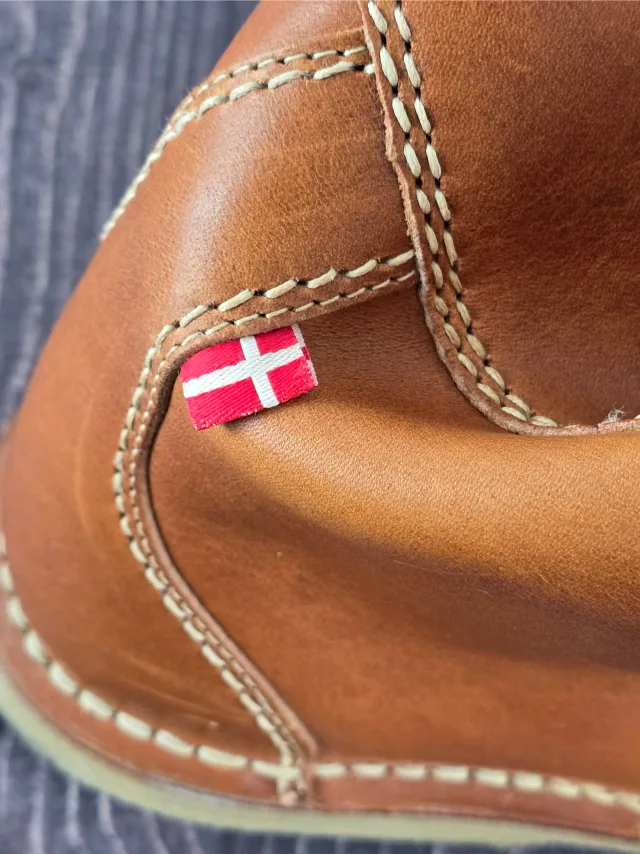
After putting the miles on the Duckfeet Faborg, you’d be hard press to tell if I’d done 10 or 100 based on the upper alone. The thick leather they use for the upper is amazingly resilient. I was actually a bit hesitant to post this review – it looks like I just took them around the block a few times.
Not that there has been zero change. I wore them only laced up to the third lace hole for a more casual look, resulting in the area above that losing a lot of its structure
In addition, the leather has started to develop more of a pull up. I’m not sure if this is a function of the leather itself or the Duckfeet conditioner, but it has a bit more life to it than it did out of the box.
I will say, if you’re a fan of patina, you might want to go a shade lighter than you typically would. If I was going to reorder, I would likely go with the Bio colorway over the Brown colorway, though I don’t dislike this one.
Mid- and Outsole
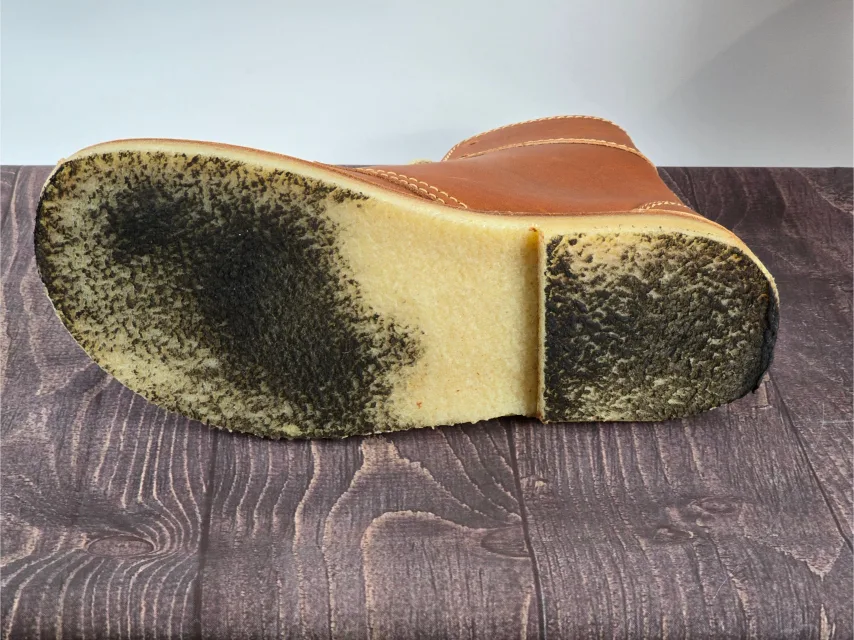
Much like the upper, the bottom half of the Duckfeet Faborg has held up amazingly well. Like All crepe outsoles, it has gotten dirty.
The outsole came slightly warped from the factory but flattened out after a few wears — normal for crepe. Despite the dirt that all crepe collects, the harder compound here self-cleans a bit when you walk on carpet. After 100 wears, the stitching — structural included — still looks untouched. These soles will last the life of the upper.
Summary
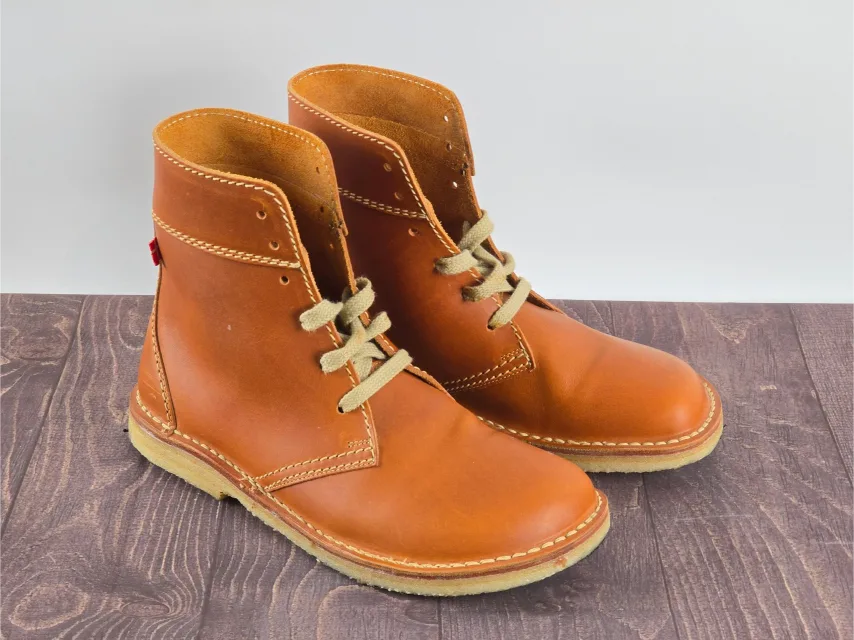
If I had a single take away from the Duckfeet Faborg, it would be its ability to look new long term. In a note you’re going to hear several times in this review, the material choice really define this boot. The extremely thick leather used for the upper, combined with the harder choice in crepe rubber for the outsole, mean that these boots will easily outlast any other crepe boot I’ve ever tried.
Let’s get into the more subjective section: style. The shape of these boots are definitely polarizing.
My wife puts up with me wearing some pretty out there outfits given my need to wear in different pieces of footwear – but this is probably the pair she questions the most. She thinks they are a bit too close to the hippy vibe.
However, from my point of view, I love having the option for a more naturalistic boot. These look great around a camp fire or with a fuzzy fall outfit. So much so that I’ve gotten a bit protective of these when she makes comments. It’s OK little Faborg. She just doesn’t understand you like I do.
Fit & Comfort
Fit
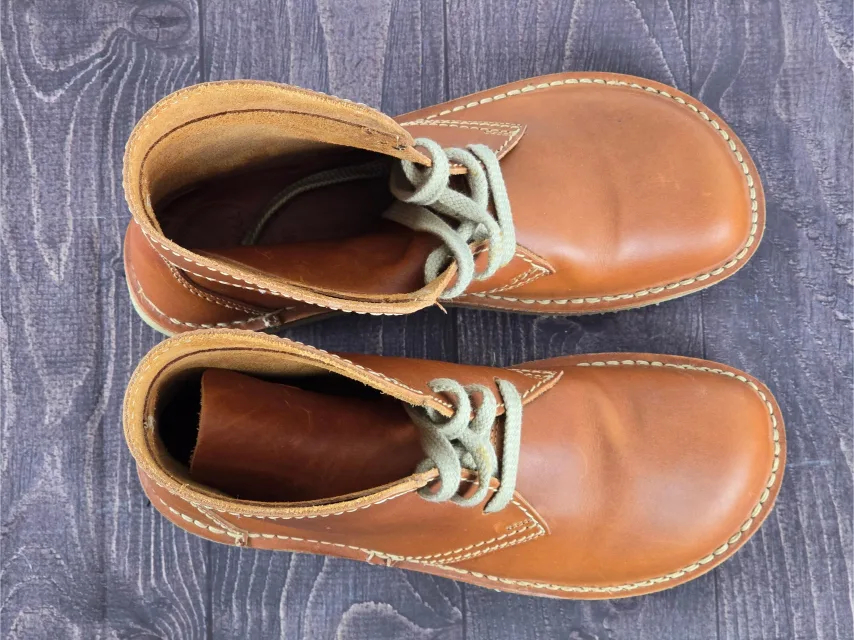
When it comes to sizing on these, I went back and forth on my first few wears on if I should size up again (1 full size from my typical boot size). However, after 100 wears of these, I’m glad I landed on the size I did. That is, ½ up from my typical boot size and the same as my typical dress shoe size, using US sizing.
The last on these is very different from most things out there, though an anatomical last isn’t THAT out there these days. What makes these unique is the thick leather. If you missize a Lems or similar it isn’t a big deal.
While I have almost no extra space around my toes once I’ve spread them out, I don’t need it. The narrow heel on the Duckfeet Faborg does a great job of locking your foot into place. I never once slid forward and crushed my toes.
That being said, if you do opt for an insole to provide more arch support, I’d definitely go up a half size to accommodate them.
Comfort
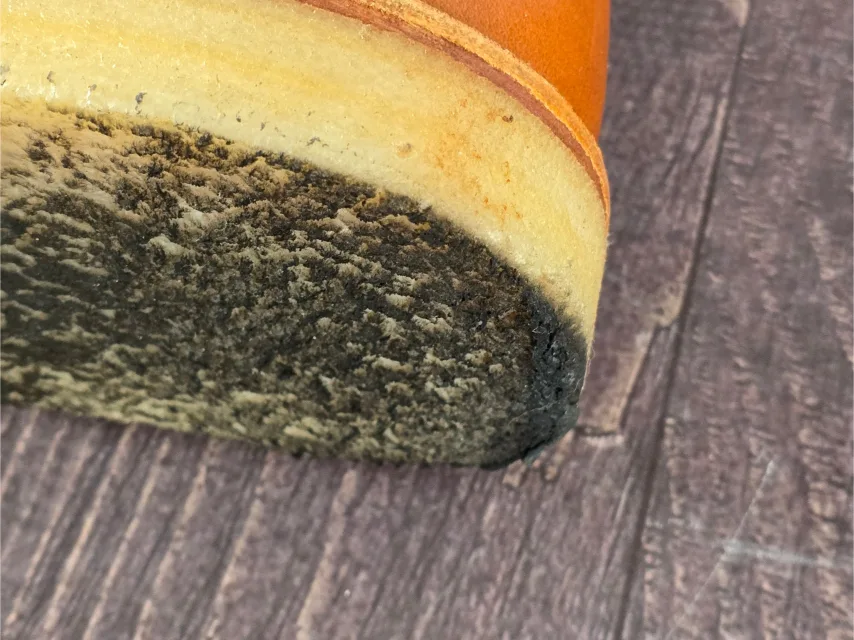
The comfort of the Duckfeet Faborg is a tale of two boots.
Let’s start with the bad. These probably had the hardest break in of any boot I’ve ever worn. The leather on the upper is unbelievably tough. I was getting blisters from these well into the 10th wear if I was walking long distances. The rear leather panel was so stubborn I ended up breaking it in using a baseball glove mallet.
There is also the difference of shoes with no arch support and flat structure. While most podiatrists I’ve read suggest that modern shoes recommend this*, nearly no shoes has this. What this means is your foot almost certainly will need some time to build up the muscle in your arches.
The good news is that they will, and that it’s probably good for your overall health. The bad news is that you probably won’t be able to wear these all day for a bit after you get them.
*I am not a podiatrist, please don’t take this as medical advice.
On the plus side, once they are broken in and your feet have the strength the wear them, these feel great. Your feet feel like they’ve been used, not coddled and not abused.
I’ve taken to wearing these as a sort of palate cleanser in between other pairs. Let my feet go back to a more natural state to better understand the design choices of new pairs.
Durability
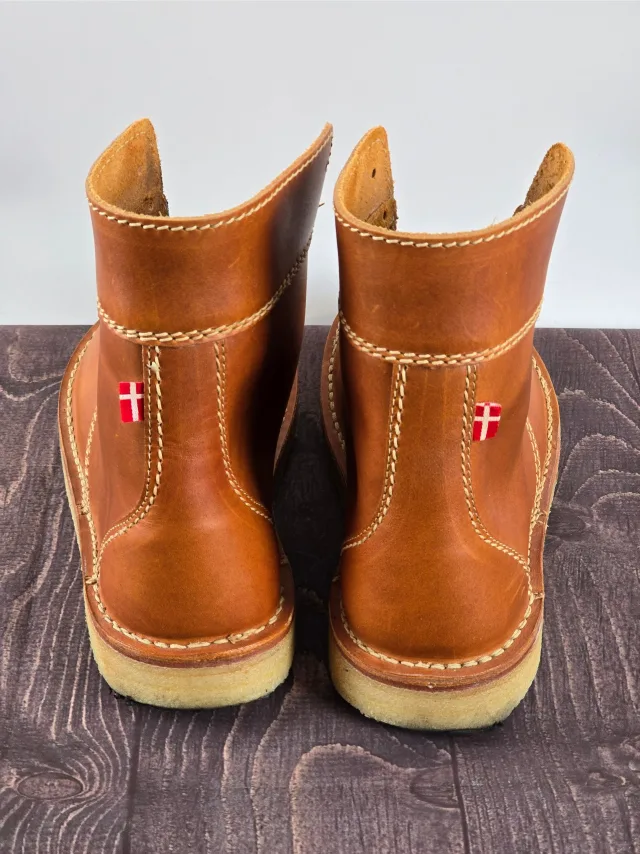
As you can probably guess, the material choices of these Duckfeet Faborg mean they have been amazingly durable.
As far as the upper goes, I have no doubt that it’ll last for many years. The leather hardly looks worn, and the stitching is the exact same as it was out of the factory. My only complaint here from a durability perspective is that the leather doesn’t look worn in enough.
On the bottom, Duckfeet used a pretty hard compound of crepe. Some pairs that use this outsole material are pretty worn out by the time they hit 100 wears, but not these.
Don’t get me wrong – these are well worn and have started to show signs of smoothing out. However, I would easily be able to get another 100 wears, probably 200, out of them before they were worn through.
Don’t forget these can be resoled for a very reasonable $118, including shipping.
Update:
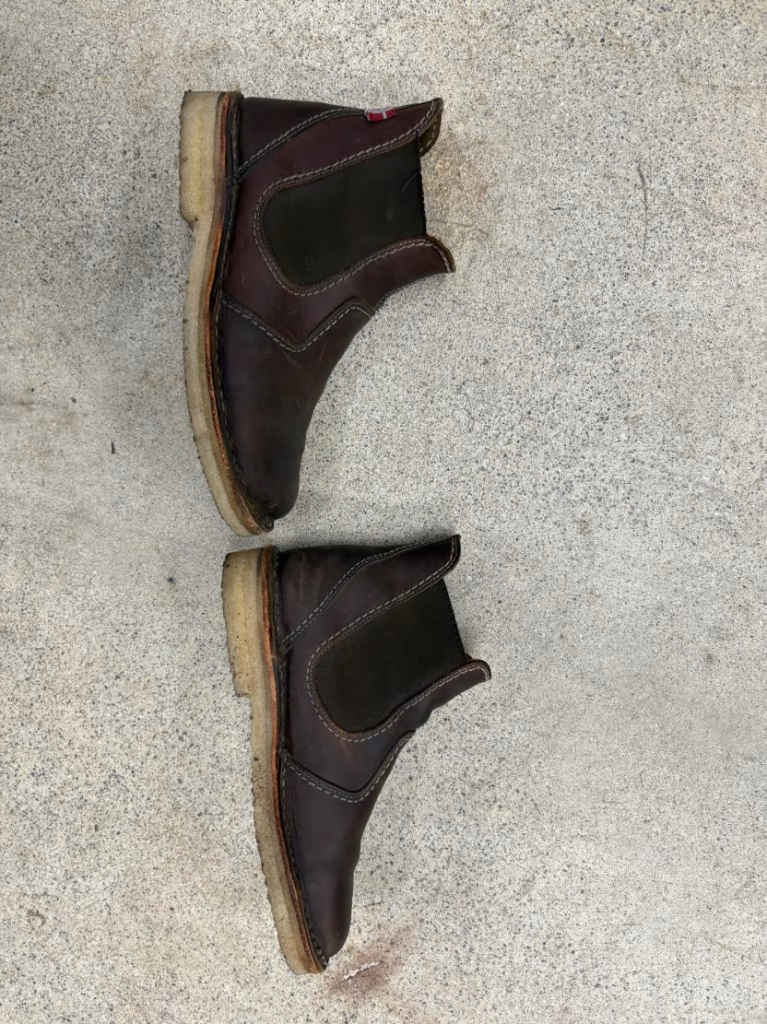
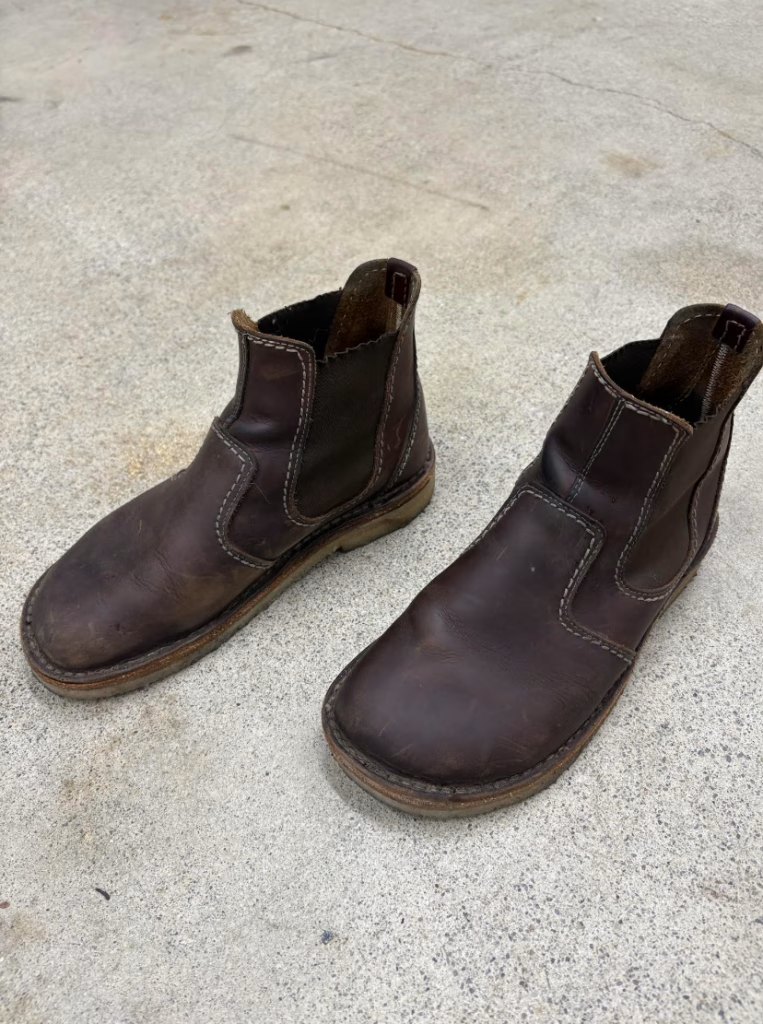
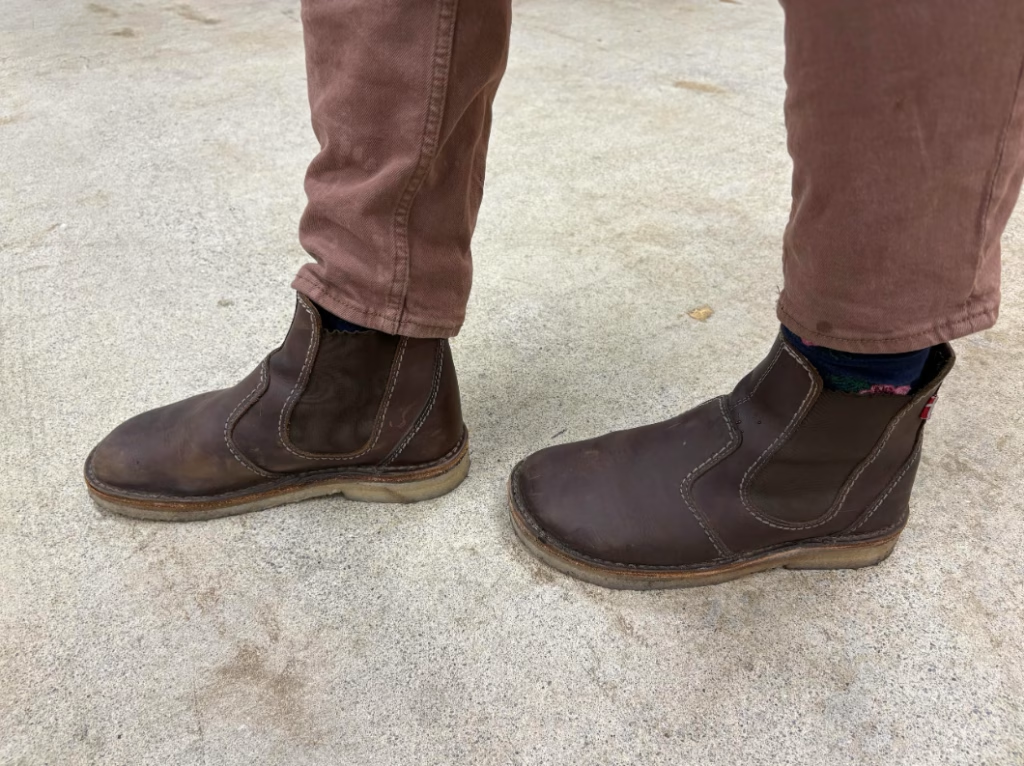
Speaking of resoling, Rob in Seattle flagged in the comments down below that he had a pair that just came back from a resole at his local cobbler. He was kind enough to share some of his pictures so you can see what a pair with ~250/300 wears and a new sole looks like. The resole used Duckfeet original outsoles.
As background, these were used mostly in the wet Seattle Fall, Winter and Spring and are around 2 years old.
Pricing & Value
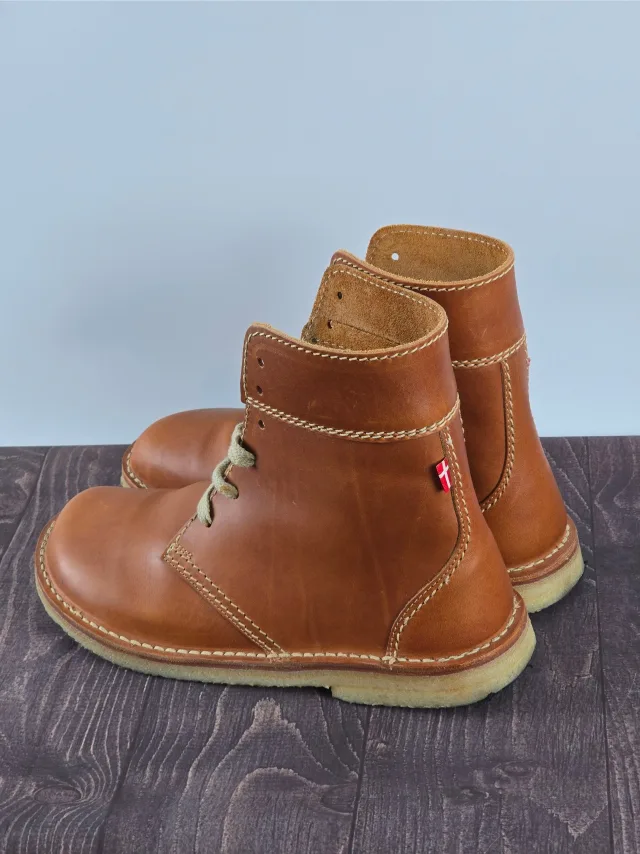
Since my initial review more than a year ago, Duckfeet has kept the pricing of the Faborg the same $288. That’s pretty amazing, given the tariff issues everyone is facing bringing products into the United States.
From a value perspective, I’m even more convinced these are a good deal. The materials that are used on these boots are absolutely no joke. They go far beyond what I was expecting from a crepe soled boot that markets itself on the natural foot shape more than anything else.
I have no doubt that if they put a larger heel and some arch support on these and slapped a “Bruce’s Tough Work Boot” badge on them they could sell them for $500.
Wrap Up
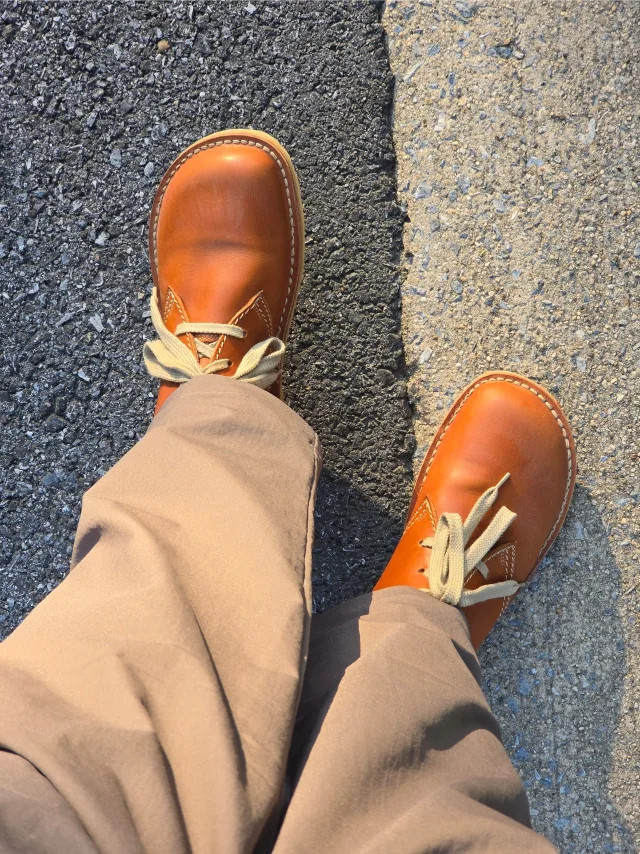
I went into my first Faborg review expecting a quirky, comfortable, ethically made boot — not a tank. A year later, I know it’s both. It’s not a desert boot alternative; it’s stiffer, tougher, and built to outlast most crepe-soled options out there.
At $288, with this level of durability and a resoling option, it’s one of the rare boots that beats the “$350 for quality” rule.
I love my Duckfeet slip ons and Roskilde. Must have 250 wears on the roskilde and just resoling them for more!
Rob –
That’s awesome. I’d love to see some pics! If you’re up for sharing, please shoot them over to 100wears@gmail.com
Sent them over!