
Background
Leather outsoles have gone through a bit of a wild ride. The true OG of footwear, leather soles were pretty much the only option for almost all of history. It wasn’t until the 1800’s when Charles Goodyear – maker of tires and father of Goodyear welting’s namesake – created vulcanization that rubber outsoles became available.
Up until very recently, we’ve seen more and more people jump onto the rubber outsole bandwagon. Sneakers, boots, and even dress shoes are now almost all exclusively rubber (or rubber-based foam). Using leather outsoles was like getting leeches to treat an illness: a relic from the ancient past.

However, over the past couple of years leather outsoles have made a bit of a comeback. At least with influencers. You’ve no doubt seen youtube videos with a sad face in the thumb nail referencing how they didn’t know better, and that leather soles are actually great. In fact, they say anyone who doesn’t at least consider leather a top contender doesn’t understand footwear.
As someone who owns nearly a dozen leather soled shoes, and more than twice as many without, I thought it might help to provide my personal perspective. Why you would want to skip them – or why you might actually want to seek them out.
Why Should You Avoid Leather Soles?
Let’s get this out of the way early. Leather soles have lots of problems. For most guys (and gals) out there, they are not going to be the best tools for the job.
Leather soles don’t last as long

It’s the simple truth that leather outsoles don’t last as long as rubber outsoles. Sure, a JR leather outsole might last longer than the cheapest foam-rubber crocs, but if you compare anything of comparable cost leather soles will wear out significantly faster than rubber.
There is a reason that you typically only find leather outsoles on shoes and boots that can be resoled – you’re almost certainly going to wear through a leather outsole long before the uppers shoe any kind of wear.
Even worse, if the leather outsole gets wet, they wear significantly quicker. The soles get softer, and you’ll find that rocks or highly abrasive materials like concrete sidewalks can take small chunks out of the leather. Not enough to rip a hole in the sole, but enough that wear will be even faster if you get them wet.
Speaking of the weather…
Leather soles are not as weather resistant

Another thing you need to live with if you wear leather soles every day is slightly damp feet on rainy and snowy days. One of the key benefits from leather-sole-lovers is its breathability – but the flip side of that is the breathability the other way. Water can and (given a bit of time) will get inside the shoe.
Snow or similar can make it even worse. The water sits on the sole, slowly seeping into your sock.
I don’t want to mislead you and say water gets in immediately, or even that it’s impossible to simply walk down a damp sidewalk. However, if you’re sending real time outside on a rainy day your feet will get wet.
Leather soles can be much less grippy

When brand new, leather soles can be extremely slippery. Long-time 100wears readers will remember the first time I took my dog for a walk in a pair of Jay Butlers and ended up on the ground when my dog saw a squirrel. I love the loafers and still have them in rotation years later, but it was pretty embarrassing when the neighbors saw.
Grip does improve with time – and there is a big caveat I’ll get to later – but if you are doing something where you need to be certain you will stay on your feet, I’d skip the leather soles.
Leather soles are more expensive

It isn’t just that you only find leather outsoles on more expensive shoes, the outsoles themselves tend to be much more expensive than comparable options. Leather outsoles have to not only be vegetable tanned, a more expensive way of making leather, but require a specific blend in order to not fall apart after the first wear.
This means that even the most affordable leather outsoles will be noticeably more expensive than equivalent quality rubber. A problem that will continue as you resole your pair.
Why Should You Buy Leather Soles?
If leather soles have so many problems, why does anyone – including myself – continue to buy them? Well, there are a lot of benefits that you just can’t get anywhere else.
Leather soles look more elegant
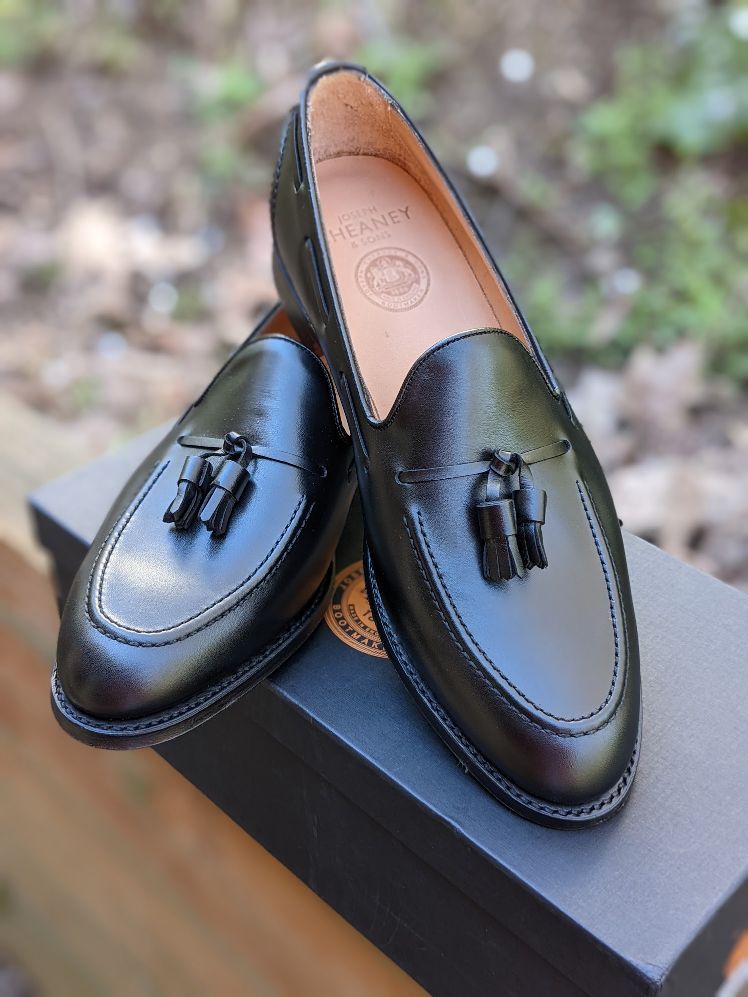
There is no two ways about it, leather soles look better in a more formal environment. Leather can be made thinner without splitting like rubber. Leather can be shaped in more ways, including fiddleback heels, tighter shaping along the last. Both of these to a design that better fits formal outfits, or even western wear. Heck, to old school guys who grew up around it (and are more likely than not signing your paycheck) the slightly lighter color around the edge of the sole when they are worn is a sign of class.
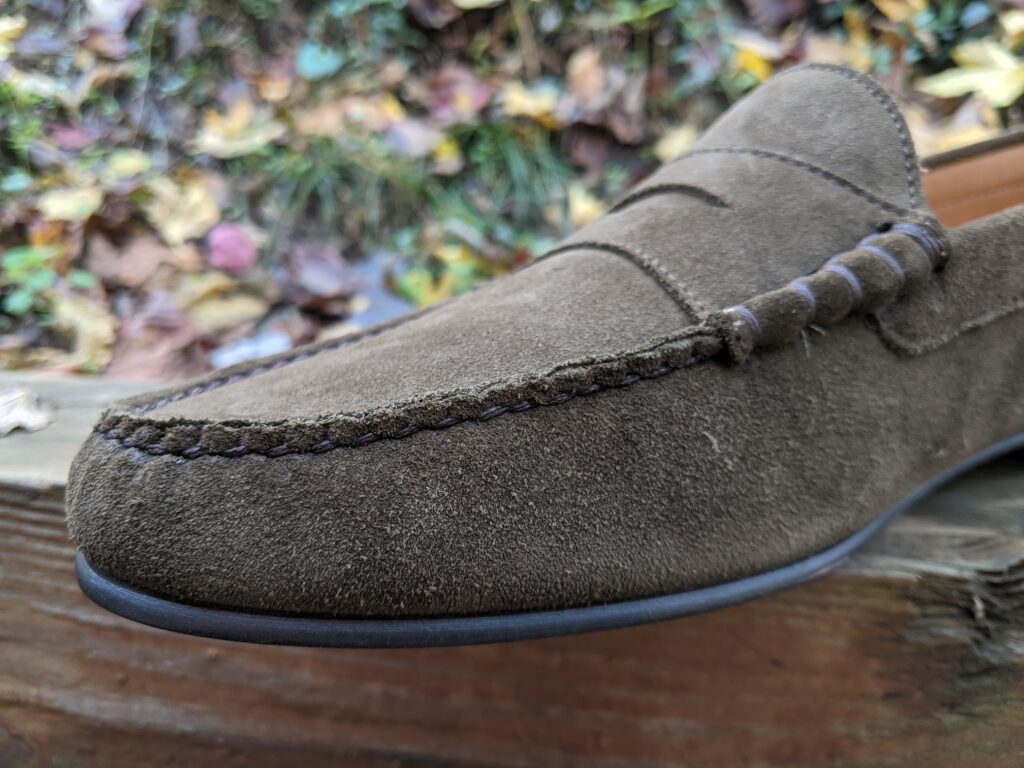
This is the biggest draw for leather soles. They look like a formal shoe should look.
Leather soles are more comfortable

Unlike rubber soles, leather soles take the shape of your foot over time. While the “it compresses to your foot” angle can be exaggerated, it’s also important to point out that leather tends to wear more specifically under your foot. Flip a pair of leather shoes over and you can often see the outline of your heel, ball, and toes. This – combined with some compression – means that leather outsoles do create a 1 to 1 fit over time.
Leather soles can have great grip
OK, I understand your confusion here. How can the be both the worst and sometimes the best grip? Well, it’s true that when new or on rough surfaces, leather soles are really bad at keeping you on your feet. However, once worn and on certain surfaces – typically places that are flat – leather soles offer amazing grip.
Think of it this way. When you buy a set of tires for your car, they probably look something like this:
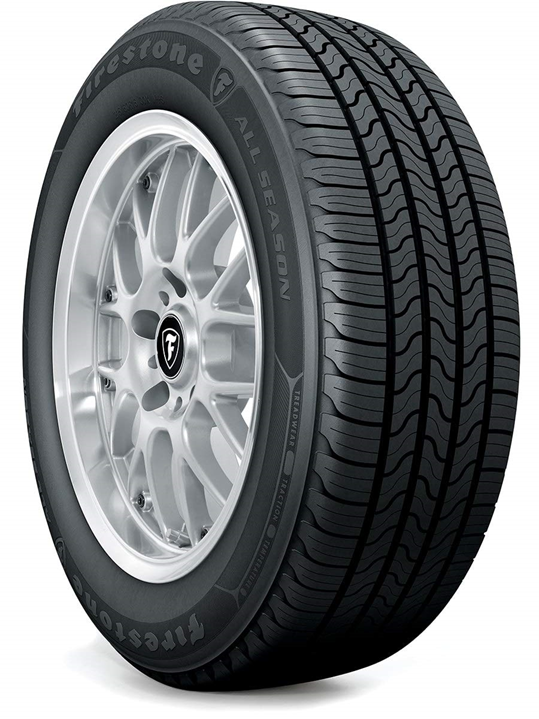
Lots of little lugs mean the tire works in snow, rain, cold, hot, and everything in between. They also look an awful lot like a lot of shoes out there.
However, when you buy a racing tire, you’re looking for grip in the dry, flat racetrack. You would never want to put one on your car to drive daily, but for a specific purpose these tires excel. They look more like this:

Smooth with just a little bit of texture, like a leather outsole.
Not that you’d ever take leather soles to a footrace, but there are times where the grip is as good as anything can be.
Should you buy shoes with leather outsoles?

For most people who only have a few pairs of shoes – probably not. At least not a pure leather outsole. For as much as people like to wax lyrical about their comfort, style, or more, the reality is that leather outsoles come with a lot of drawbacks.
Not being able to wear them in heavy rain or snow. Durability concerns. Grip while out working. There is a reason that the vast majority of shoes you can buy today come with rubber. People back in the 1970s who started to switch to rubber weren’t stupid – they knew the pros and cons of each.
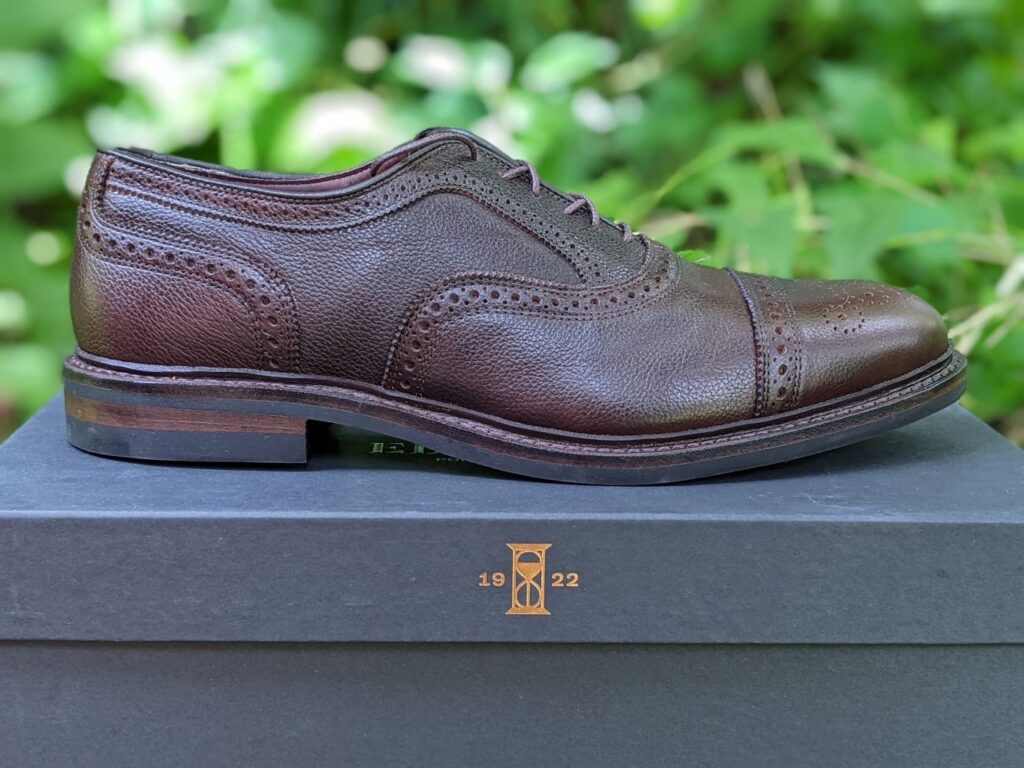
If you are lucky enough to be able to have multiple shoes, however, I don’t think you’ll be mad if a small selection are leather outsoled. There are real benefits.
That interview for a new job you really want to nail? Nothing is better than a pair of leather-soled oxfords. The dancing shoes where you need to get just the right amount of grip? That’s right, nothing will be better. A shoe that you want to be comfortable in all day, but the only wear it’ll see is you walking from your parking garage to your desk and back? Leather outsoles!
The Solution
You might think I’m pretty down on leather outsoles. At least, as far as chronically-online shoe reviewers go. Knowing that, I did want to offer one alternative that solves almost all their problems without creating much in the way of drawback.
The Toppy.

A Toppy, a brand name that became so synonymous with the style it became the defacto name, is a thin piece of rubber that a cobbler places on top of the outsole itself. It is often extremely affordable to apply with a cobbler – generally around $15-30 depending on the brand and your location – and comes in a variety of colors, brands, and patterns to fit your needs.
Durability? The rubber should last much longer than leather. Even better, while they are so thin they won’t last forever, they can be replaced for another $15-30 dollars.
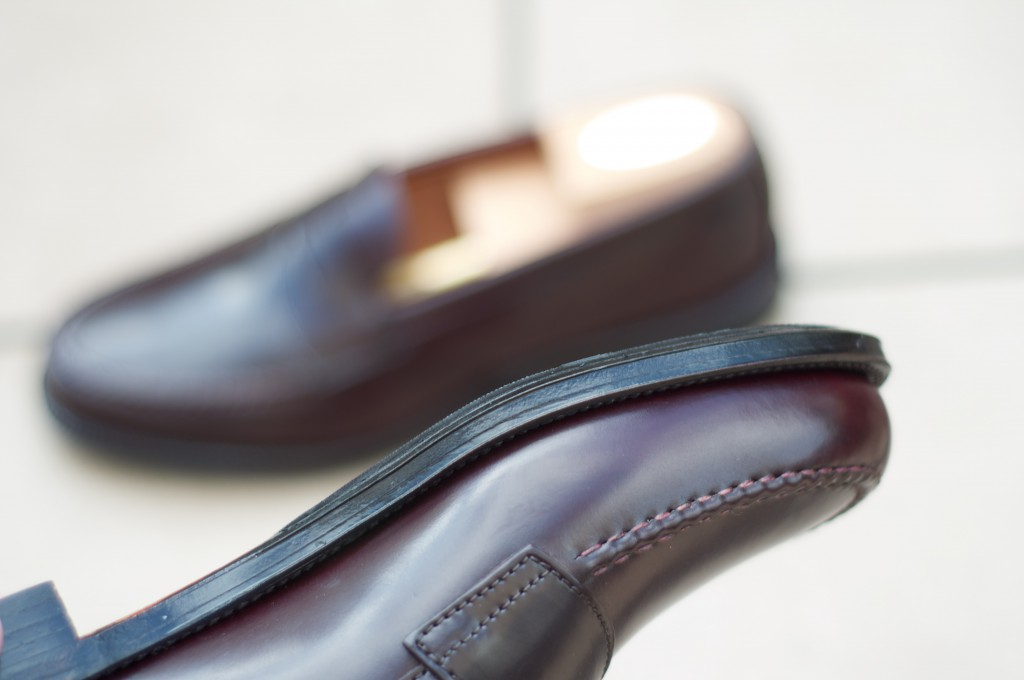
Weather Resistance? You probably still won’t want to wear these while hiking through the snow, but for a small amount of standing water your feet will stay plenty dry.
Grip? You choose the pattern you want, fixing nearly any grip issue.
All of this, with the ability to keep nearly all the other benefits of leather soles. It really is a case of being able to have your cake and eat it too.
You forgot to mention that leather outsoles are, among other things, louder.
Tom –
That’s a good point, though it seems like those who like leather like that sound, and those who don’t dislike it!