

Like it or not, when the average person thinks of a Yeezy sneaker, they are thinking of the 350 V2. According to StockX, there have been well over 50 colorways of the sneaker released so far and even with the supposed replacement in the 380 nearly a year old, it doesn’t appear like Adidas is planning on slowing down any time soon.

To many, the bit loafer is a slightly garish middle finger in a wardrobe. The loafer version of Nantucket Red pants. To others, it embodies connotations of men who are the human equivalent of Pepe Le Pew – and not in a good way. Either way, bit loafers generally don’t fade into the background. Rancourt does a few things to try and put their thumb on the preppy/academic side, trying take it away from the more negative connotations this style of shoe might have.

Adidas’ Boost technology was completely revolutionary. It was comfortable, unique looking, and sold out in almost every shoe it was attached once Kanye wore those classic white Ultraboosts. Unfortunately, this left Adidas in a tough position: what do you do next? How do you build upon something that changed the industry? The answer was the introduction of what Adidas calls “4D”.

In doing research for this post, one thing really stood out. Over the past decade, we’ve seen the rise (and sometimes fall) of a number of really impressive bootmaker brands: Viberg, Truman, Oak Street Bootmakers, Grant Stone, etc., however these brands are not really compared all that often. Whenever someone posts a review, the question that comes up is almost always “How does it compare to the Alden Indy?”

The Air Jordan 1 High and the Nike Dunk High are closer to twins separated at birth than two completely different shoes. They share the same dad (Peter Moore), the same birth year (1985), and, unless you grew up with them in your life, you probably have a hard time telling them apart.

Rancourt’s history is an interesting one. The current company is one of the newest companies making shoes within the United States, being founded in 2010, but that only tells part of the story. The Rancourt family has been making shoes in Maine for decades.
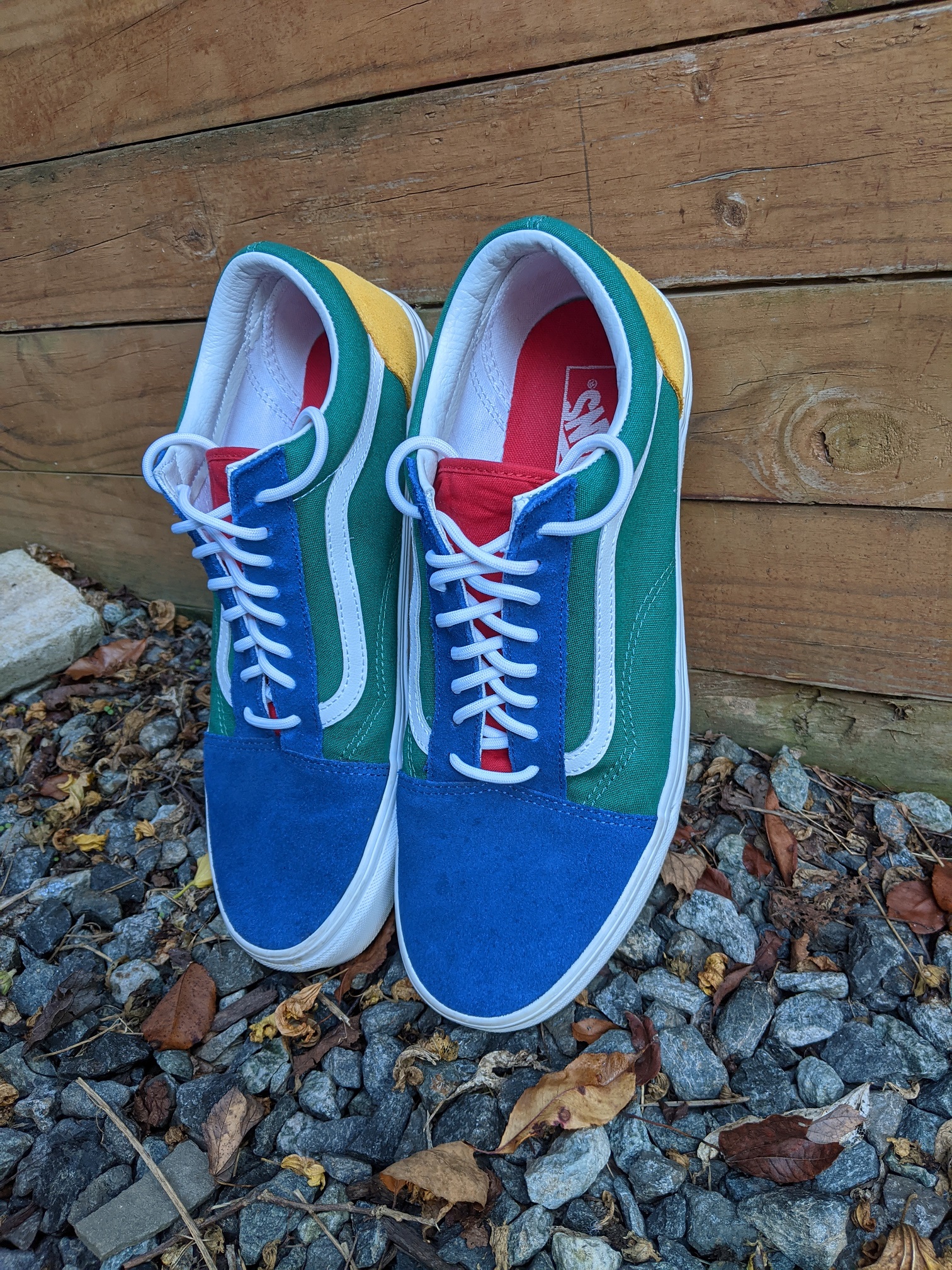
The Vans Old Skool, originally known as the #36, is one of those classic shoes that everyone has probably owned at some point. One of the later designs from Van’s classic line, the shoe took what worked from previous skate shoes they have made – the padded collar, the thin sole, etc. – and added the leather strips on the side for additional wear protection.
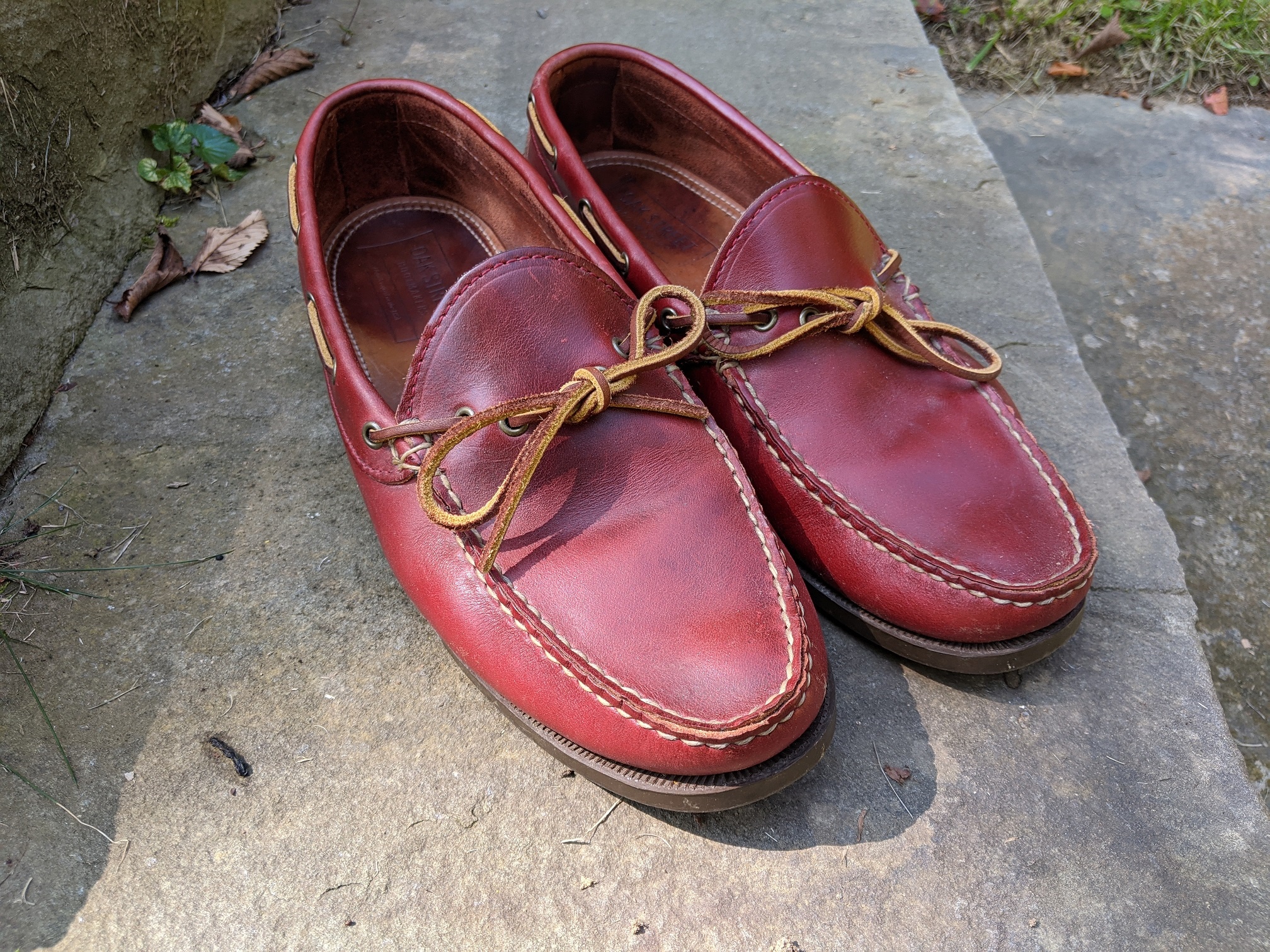
Oak Street Bootmakers is now one of the most established names in the American-made footwear market. In fact, by late 2018, the brand was so large it was able to save a storied Maine factory that at one time made handsewns for Alden, Red Wing, Sperry, Sabago and others by simply buying it when the previous owners were unable to keep the lights on.
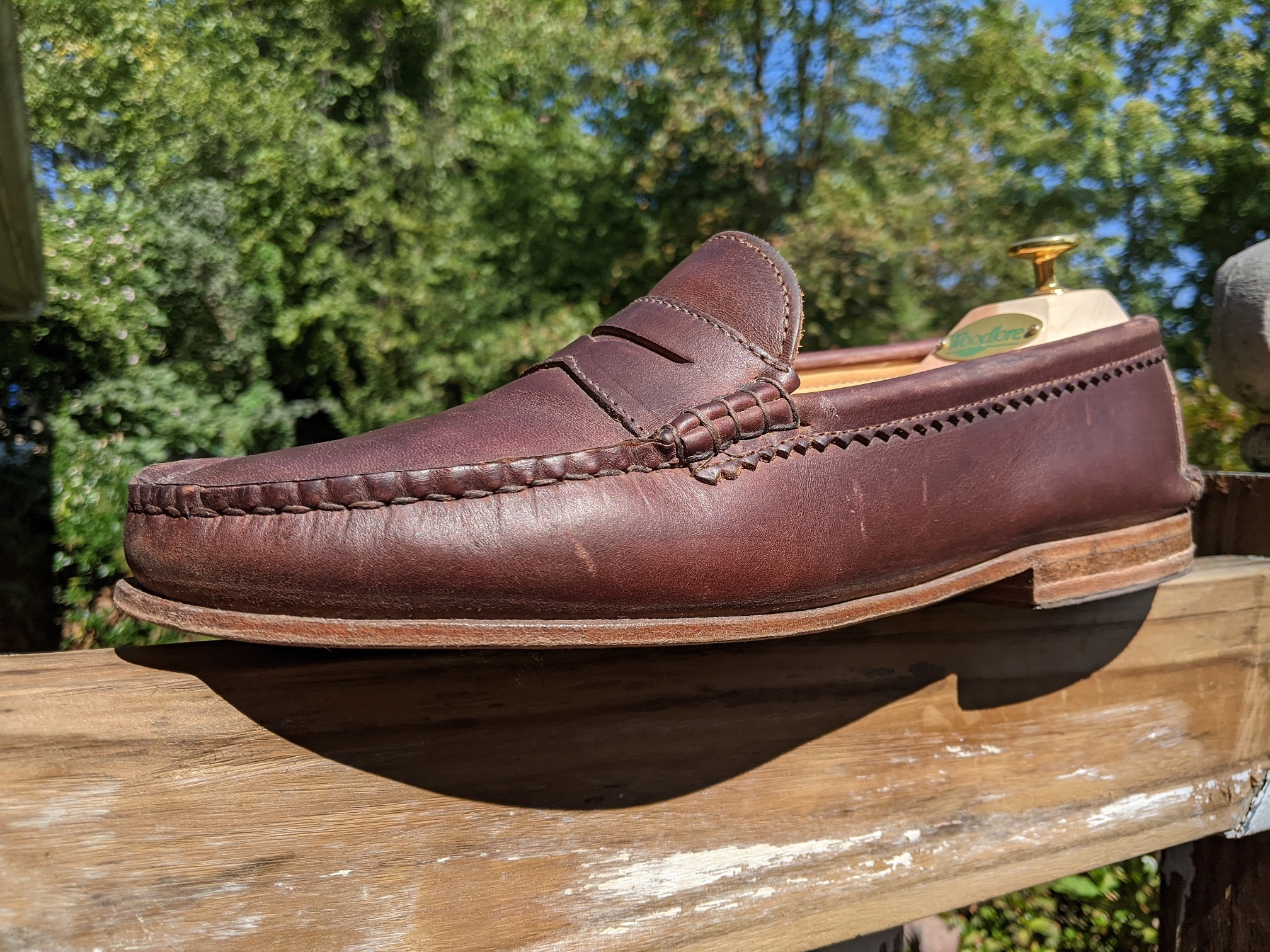
Shoes with Quoddy stamped into the sole have been around since just after the end of WWII, but like many of the other Maine-based companies, that iteration of the brand doesn’t exist today. The current owners of Quoddy started far more recently in 1997, with the goal of reviving the nameplate in order to sell shoes in their small knick-knack store that also had “Quoddy” in the name.

Brands like Allen Edmonds or Sperry spend absolutely boatloads trying to convince you that they are as old as the American revolution, but would it surprise you that a common sneaker name that your dad has probably worn has them and most other brands beat?